

Güvenlik ve Uyumluluk
JAN 16, 2026 5 dakikalık okuma
5 dakikalık okumaGünümüz iş dünyasında rekabet yalnızca ürün kalitesiyle değil, kaynakların ne kadar verimli yönetildiğiyle de kazanılıyor. Şirketler artık her işi kendi bünyesinde yapmak yerine, uzman dış firmalardan destek alarak maliyetleri düşürüp hız kazanıyor. İşte tam bu noktada devreye outsourcing, yani dış kaynak kullanımı giriyor. Papel Blog’un bu yazısında outsourcing’in ne olduğunu, türlerini, avantaj ve risklerini, ayrıca sürecin nasıl etkili şekilde yönetilebileceğini adım adım inceleyeceğiz.
Outsourcing, Türkçede dış kaynak kullanımı olarak adlandırılır. Bir işletmenin kendi bünyesinde yürüttüğü belirli iş süreçlerini, bu alanda uzmanlaşmış başka bir firmaya devretmesi anlamına gelir. Şirketler bu sayede temel faaliyetlerine odaklanırken, operasyonel veya destekleyici görevleri dışarıdan hizmet alarak yürütür. Mesela insan kaynakları, muhasebe, çağrı merkezi veya bilgi teknolojileri alanlarında outsourcing tercih edilebilir.
Outsourcing’in amacı; maliyetleri düşürmek, verimliliği artırmak, uzman bilgiye erişmek ve kurumsal esnekliği güçlendirmektir. Bu yöntem, aynı zamanda risk paylaşımı, zaman tasarrufu ve yenilikçi teknolojilere erişim gibi avantajlar da sunar. Ancak başarılı bir dış kaynak yönetimi için doğru iş ortağı seçimi, net süreç tanımları ve güçlü iletişim çok önemlidir.
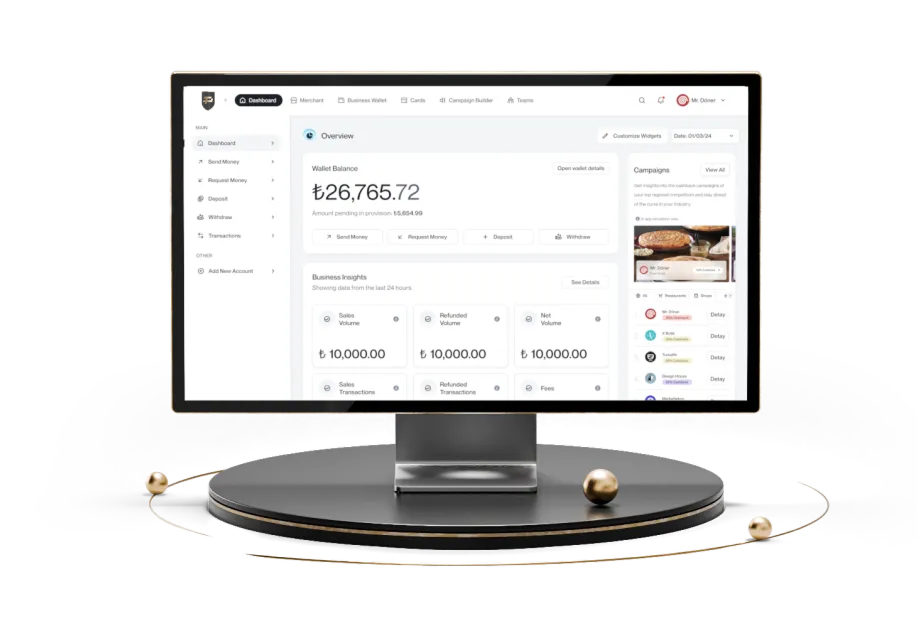
Tıpkı Papel İşletme Paneli üzerinden işletme finansını tek yerden yönetmek gibi, outsourcing de kaynakları verimli kullanarak operasyonel yükü azaltır.

Dış kaynak kullanımı farklı alanlarda uygulanabilir. İşletmeler, hangi süreçleri outsource edeceklerine göre farklı modeller tercih ederler. En yaygın outsourcing türleri bilişim (IT), insan kaynakları (HR) ve lojistik–üretim alanlarında görülür.
Şirketlerin yazılım geliştirme, altyapı yönetimi, teknik destek, siber güvenlik veya bulut hizmetleri gibi bilişim süreçlerini dış kaynak sağlayıcıya devretmesidir. Bu model, yüksek teknolojiye erişimi kolaylaştırır, altyapı maliyetlerini azaltır ve firmaların kendi uzmanlık alanlarına odaklanmasını sağlar. Ancak veri güvenliği ve hizmet seviyesi anlaşmaları (SLA) titizlikle yönetilmelidir.
Human Resources Outsourcing (HRO), işe alım, bordro, özlük işleri, eğitim ve performans yönetimi gibi HR süreçlerinin dış kaynak firmalarca yürütülmesidir. Bu yöntem, şirketleri idari yüklerden kurtarır, mevzuat uyumunu kolaylaştırır ve uzman HR bilgisinden yararlanma imkânı sunar. Özellikle bordro yönetimi ve SGK işlemlerinde sıklıkla tercih edilir. Ancak çalışan verilerinin gizliliği ve iletişim süreçlerinin doğru kurgulanması gerekir.
Lojistik outsourcing, nakliye, depolama ve dağıtım gibi süreçlerin; üretim outsourcing ise ürün imalatının dış firmalara devredilmesidir. Bu sayede işletme stok maliyetlerini düşürür, esneklik ve ölçeklenebilirlik kazanır. Özellikle e-ticaret şirketleri üçüncü taraf lojistik (3PL) firmalarla çalışarak operasyonel yüklerini azaltır. Ancak tedarik zinciri aksamaları ve kalite kontrol zayıflığı gibi riskler göz önünde bulundurulmalıdır.
Outsourcing, doğru planlandığında işletmelere önemli avantajlar sağlar:
Maliyet tasarrufu: Personel, altyapı ve ekipman giderleri azalır.
Ana işe odaklanma: Şirketler stratejik faaliyetlerine daha fazla zaman ayırır.
Uzman bilgiye erişim: Dış kaynak sağlayıcıların teknik yetkinliği verimliliği artırır.
Esneklik: Dönemsel yoğunluklara göre kapasite kolayca artırılıp azaltılabilir.
Risk paylaşımı: Operasyonel ve teknolojik risklerin bir kısmı sağlayıcıya aktarılır.
Zaman ve verimlilik: Süreçlerin dışarıya devri, işlerin daha hızlı tamamlanmasını sağlar.
Yenilik ve teknolojiye erişim: Güncel sistemleri kullanan outsource firmaları, müşterilerine dolaylı teknolojik avantaj sunar.
Her modelde olduğu gibi, dış kaynak kullanımının da bazı dezavantajları vardır:
Kontrol kaybı: Süreçler dış firmaya devredildiğinde denetim zorlaşabilir.
Veri güvenliği riski: Hassas verilerin paylaşımı gizlilik ihlali tehlikesi doğurur.
Beklenmedik maliyetler: Sözleşme değişiklikleri ve ceza maddeleri ek yük getirebilir.
Bağımlılık riski: Tek bir sağlayıcıya bağlı kalmak operasyonel risk yaratır.
İletişim sorunları: Kültürel farklar ve zaman dilimi farklılıkları verimliliği düşürebilir.
Kurumsal bilgi kaybı: Uzun vadede iç süreç bilgisinin zayıflaması mümkündür.
Bu nedenle dış kaynak yönetimi planlanırken SWOT analizi gibi stratejik değerlendirme araçlarından yararlanmak büyük önem taşır.

Outsourcing süreci, basit bir “görevi dışarı verme” adımının çok ötesinde, dikkatli planlama, kontrol ve koordinasyon gerektirir. Bu sürecin temel aşamaları ve dikkat edilmesi gereken unsurlar aşağıdaki gibidir:
Bu aşamada, hangi süreçlerin dış kaynakla yürütüleceği, hangilerinin şirket içinde kalacağı net olarak belirlenir. İşletme bu süreçlerin kendi stratejisine uygunluğunu değerlendirir, olası risk ve faydaları analiz eder. İç ve dış kapasite karşılaştırması yapılarak outsourcing’in uzun vadeli etkileri gözden geçirilir.
Bu aşamada, piyasadaki dış kaynak firmaları araştırılır ve uzmanlık, referanslar, finansal yapı, altyapı ve hizmet kalitesi gibi kriterler üzerinden değerlendirilir. Şirket, teklif toplama (RFP / RFQ) süreciyle alternatifleri karşılaştırır ve teknik yetkinliği yüksek, güvenilir bir sağlayıcıyı tercih eder.
Bu süreçte, işin kapsamı, teslim süreleri, kalite kriterleri, performans göstergeleri (KPI) ve cezai şartlar detaylı biçimde tanımlanır. Fiyatlandırma modeli, maliyet paylaşımı, değişiklik yönetimi gibi konular netleştirilir. Ayrıca fesih koşulları, gizlilik hükümleri, veri güvenliği ve fikri mülkiyet hakları sözleşmede yer almalıdır.
Bu aşamada, süreçlere ilişkin bilgi birikimi, sistemler ve dokümantasyon dış kaynak sağlayıcıya aktarılır. Geçiş planı hazırlanır; pilot uygulama, test dönemi veya aşamalı devreye geçiş yöntemleriyle süreç güvence altına alınır. Ekipler arasında koordinasyon sağlanır ve gerekli eğitimler düzenlenir.
Bu adımda, performans göstergeleri düzenli olarak takip edilir. Şirket ile dış kaynak sağlayıcı arasında periyodik toplantılar yapılır, raporlamalar hazırlanır ve denetim mekanizmaları işletilir. İletişim kanallarının açık tutulması ve sorunların hızlı çözülmesi bu aşamada büyük önem taşır.
Bu aşama, outsourcing sürecinin sürdürülebilirliğini sağlar. Belirli aralıklarla dış kaynak performansı gözden geçirilir, hedeflerle uyum kontrol edilir. Gerçekleşen sapmalar ve aksaklıklar analiz edilir, geri bildirimler toplanır ve süreçler optimize edilir. Gerektiğinde sağlayıcı değişimi veya sözleşme revizyonu yapılır.
Geri alma veya iç kaynağa dönüş planı opsiyonel ancak stratejik bir adımdır. Dış kaynak kullanımının uygun olmadığı durumlar için içe dönüş senaryoları hazırlanır. Kritik bilgi ve süreçlerin şirket içinde yeniden kazanılması ve operasyonların sürdürülebilirliği bu planlamayla güvence altına alınır.
Kaynaklar: 1.
Bu blog yazısında sunulan bilgiler; yalnızca genel nitelikte olup hukuk, finans veya yatırım danışmanlığı teşkil etmemektedir. İçerik, bilgilendirme amacıyla hazırlanmış olup, özel durumlarınız için profesyonel danışmanlık almanız tavsiye edilir. Yazıda yer alan ifadeler, herhangi bir bağlayıcılık veya sorumluluk doğurmamakta, yalnızca yazarın değerlendirmelerini yansıtmaktadır. Alacağınız kararlarda tüm sorumluluk tarafınıza ait olup, Papel Elektronik Para ve Ödeme Hizmetleri A.Ş. bu bağlamda herhangi bir yükümlülük kabul etmemektedir.