
Güvenlik ve Uyumluluk
JAN 16, 2026 5 dakikalık okuma
5 dakikalık okumaE-ticarette rekabetin hızla arttığı günümüzde, müşteriye yalnızca bir ürün satmak yeterli olmuyor; markaların kullanıcı deneyimini geliştiren, satış hacmini yükselten akıllı stratejiler uygulaması gerekiyor. Bu stratejilerin en etkili olanlarından biri ise çapraz satış (cross selling). Doğru kurgulandığında ortalama sepet tutarını yükselten, müşteri memnuniyetini güçlendiren ve e-ticaret performansını doğrudan etkileyen çapraz satışın ne olduğunu, nasıl uygulandığını ve dikkat edilmesi gereken noktaları Papel Blog’un bu yazısında ele alıyoruz.
Bir müşterinin satın alacağı ana ürünün yanında, ürünle ilişkili veya tamamlayıcı başka ürünlerin de önerilmesiyle yapılan satış tekniğine çapraz satış denir. Bu satış yöntemi özellikle e-ticarette ortalama sepet tutarını artırmak ve müşteriye daha kapsamlı bir alışveriş deneyimi sunmak için kullanılır. Mesela, laptop satın alan bir kullanıcıya laptop çantası veya kablosuz mouse önerilmesi çapraz satışa bir örnektir. Müşteriyi gereksiz ürünlere yönlendirmek yerine onun satın alma sürecini daha verimli hale getirerek ihtiyaçlarını daha iyi karşılamak ve aynı zamanda işletmenin de gelirini artırmayı amaçlayan çapraz satış, doğru bir şekilde kullanıldığında e-ticaret performansını önemli ölçüde artırır.
Çapraz satış ve upselling çoğu zaman karıştırılan iki kavramdır fakat birbirinden farklı satış teknikleridir. Çapraz satış, ana ürünün yanına farklı ancak tamamlayıcı ürünler eklemeyi amaçlarken; upselling, müşterinin ilgilendiği ürünün daha gelişmiş, daha kaliteli veya daha pahalı bir versiyonunu önererek satış değerini artırmayı hedefler. Mesela, telefon seçen bir müşteriye daha iyi bir kameraya sahip veya daha iyi bataryası olan bir model sunulması upsellingdir. Fakat aynı müşteriye telefon kılıfı, ekran koruyucu ve kulaklık gibi ürünlerin önerilmesi çapraz satıştır. Yani upselling yönteminde müşteri ürünün daha iyi bir versiyonuna yönlendirilirken; cross selling yönteminde müşterinin alışverişini tamamlayacak ek ürünlere yönlendirme yapılır. Her iki teknik de doğru uygulandığında müşteri deneyimini iyileştirir, satış hacmini artırır ve işletmelerin e-ticarette daha yüksek dönüşüm elde etmesini sağlar.

Çapraz satış (cross selling) yönteminde doğru eşleşmeler yapılırsa müşteriler ihtiyaçlarını tek seferde karşıladıkları için memnuniyet artar, bu da marka sadakatini ve yaşam boyu müşteri değerini (CLV) yükseltir.
Ayrıca çapraz satış, işletmelerin daha geniş bir ürün yelpazesini tanıtmasına, stokta bekleyen ürünleri hareketlendirmesine ve ek pazarlama maliyetine gerek kalmadan mevcut müşteriden daha yüksek gelir elde etmesine yardımcı olur. Papel’in kampanya yönetimi araçları ile çapraz satış fırsatlarını otomatikleştirip müşterilere özel teklifler sunabilir; böylece hem satışları hem de kampanyalarını optimize edebilirsin.
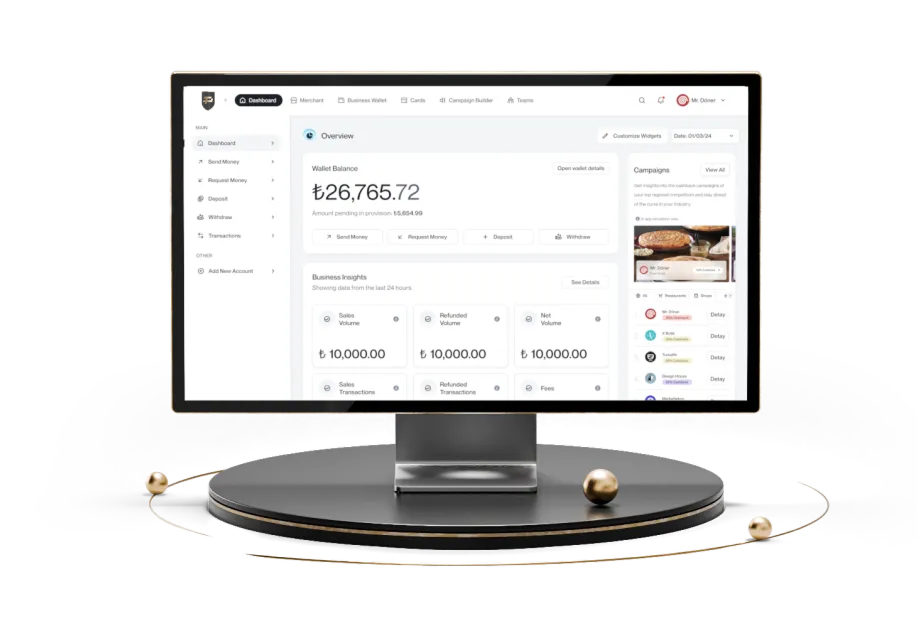
Çapraz satış stratejisinin başarılı olması için, önce müşterinin seçtiği ana ürünle gerçekten uyumlu, tamamlayıcı ürünler önermek gerekir. Mesela dizüstü bilgisayar alan bir kullanıcıya laptop çantası, soğutucu ya da harici hard disk sunmak hem mantıklı hem de doğal bir çapraz satış örneğidir. Bu uyum, önerinin kabul edilme ihtimalini ciddi şekilde artırabilir. Kişiselleştirilmiş öneriler için müşteri davranışlarını analiz eden yapay zekâ destekli araçlar kullanılabilir. Papel’in işletme paneli içindeki raporlama altyapısı, müşterilerin alışveriş alışkanlıklarını anlamayı kolaylaştırarak doğru çapraz satış önerileri sunmanı sağlar.
E-ticarette çapraz satış yaparken zamanlama da kritik öneme sahiptir. Ürün detay sayfası, sepet adımı veya ödeme öncesi gibi noktalarda ilgili öneriler göstermek, müşterinin o anda ihtiyaçlarını fark ederek sepete ekleme yapmasını kolaylaştırır. Müşteri verilerine ve sepet içeriğine göre kişiselleştirilmiş öneriler sunmak, “tam bana göre” hissini güçlendirir. Bazı durumlarda kamera + hafıza kartı + çanta gibi paketler (bundle) oluşturarak hem kararı basitleştirebilir hem de toplam sepet tutarını yükseltebilirsiniz. Tüm bu süreçte temel hedef, sadece ekstra satış değil, müşteriye gerçekten değer katmak olmalıdır.

Doğru kullanılan bir çapraz satış (cross-selling) stratejisi e-ticarette satışları ve müşteri memnuniyetini artırır. En etkili stratejiler şu şekildedir:
Müşteriyi tanı ve segmentlere ayır: Müşterilerin geçmiş satın alma davranışlarını, ilgi alanlarını, tercihlerini analiz etmen ve bu verilerden yola çıkarak onlara uygun tamamlayıcı ürünler önermen gerekir. Bu şekilde müşterilerine rastgele değil kişiselleştirilmiş öneriler vererek işletmene avantaj sağlayabilirsin.
Ürün kataloğunu ve uyumlu ürünleri iyi bil: Birlikte mantıklı olan ürünleri bilmek çapraz satış yaparken başarılı olmanın en önemli anahtarıdır. Mesela telefon alan birine telefon kılıfı ve ekran koruyucu önermek mantıklı bir tamamlayıcı örneğidir.
Zamanlamayı ve öneri noktasını doğru seç: Ürün sayfası, sepet aşaması, ödeme adımı veya satın alma sonrası müşterinin kararı netleştiği ya da henüz tamamlamadığı bu anlarda öneri sunmak daha etkili olabilir.
Bundle / paket teklifleri oluştur: Özellikle tamamlayıcı ürünleri birlikte “set” hâlinde teklif etmek, müşterinin karar vermesini kolaylaştırır ve değer algısını artırır.
Basit, anlaşılır ve az sayıda öneri yap: Çok fazla alternatif sunmak müşteride kararsızlık yaratabilir. Bunun yerine 1–2 iyi uyumlu ürün önerisiyle net seçim sunmak daha başarılı.
Kişiselleştirilmiş pazarlama & veri odaklı öneriler kullan: Müşteri davranışları ve geçmiş alışverişleri temel alarak, ilgi ve ihtiyaca göre öneriler sunmak, çapraz satışın kabul edilme ihtimalini artırır.
Çapraz satış faydaları bir satış tekniğidir fakat yanlış uygulanırsa müşteride olumsuz etki de yaratabilir. İşte dikkat edilmesi gereken konular şunlardır:
Önerilerin alakasız olmamasına dikkat et: Ana ürüne uyumlu olmayan veya müşterinin ihtiyaçlarına hitap etmeyen ek ürünler, başarısız çapraz satışa ve müşteri memnuniyetsizliğine sebep olabilir.
Sıkıcı ya da “zorlayıcı” baskı kurma: Çok agresif veya sürekli öneri sunmak, müşterinin güvenini zedeleyebilir. Çapraz satış, müşteriye değer katma amaçlı olmalı, “sadece satmak için” olmamalı.
Sepet ya da ödeme aşamasında aşırıya kaçma: Satın alma kararı verilmek üzereyken çok fazla öneri sunmak, müşteriyi kararsız bırakabilir veya ürünü sepette bırakmasına sebep olabilir.
Müşteri verilerini ve gizliliğini gözet: Kişiselleştirilmiş öneriler için veri analizi faydalı olsa da müşteri gizliliği ve güveni her zaman öncelikli olmalıdır. Bu nokta genelde yasal ve etik çerçevede değerlendirilir.
Fiyata değil değere odaklan: Önerilen ürünlerin gerçek faydasını ve müşteriye sağladığı değeri vurgula. Sadece “fazladan harcama” değil, “gerçek ihtiyaç / fayda” olması gerekir.
Kaynaklar: 1.
Bu blog yazısında sunulan bilgiler; yalnızca genel nitelikte olup hukuk, finans veya yatırım danışmanlığı teşkil etmemektedir. İçerik, bilgilendirme amacıyla hazırlanmış olup, özel durumlarınız için profesyonel danışmanlık almanız tavsiye edilir. Yazıda yer alan ifadeler, herhangi bir bağlayıcılık veya sorumluluk doğurmamakta, yalnızca yazarın değerlendirmelerini yansıtmaktadır. Alacağınız kararlarda tüm sorumluluk tarafınıza ait olup, Papel Elektronik Para ve Ödeme Hizmetleri A.Ş. bu bağlamda herhangi bir yükümlülük kabul etmemektedir.
5 dakikalık okuma5 dakikalık okuma7 dakikalık okuma