
İş ve Girişimcilik
JAN 13, 2026 6 dakikalık okuma
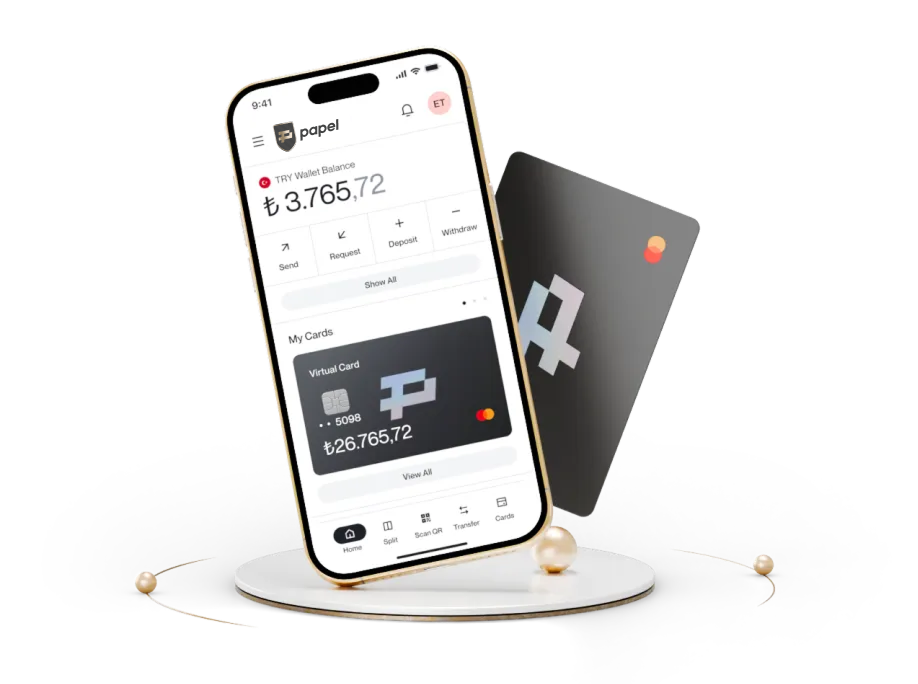
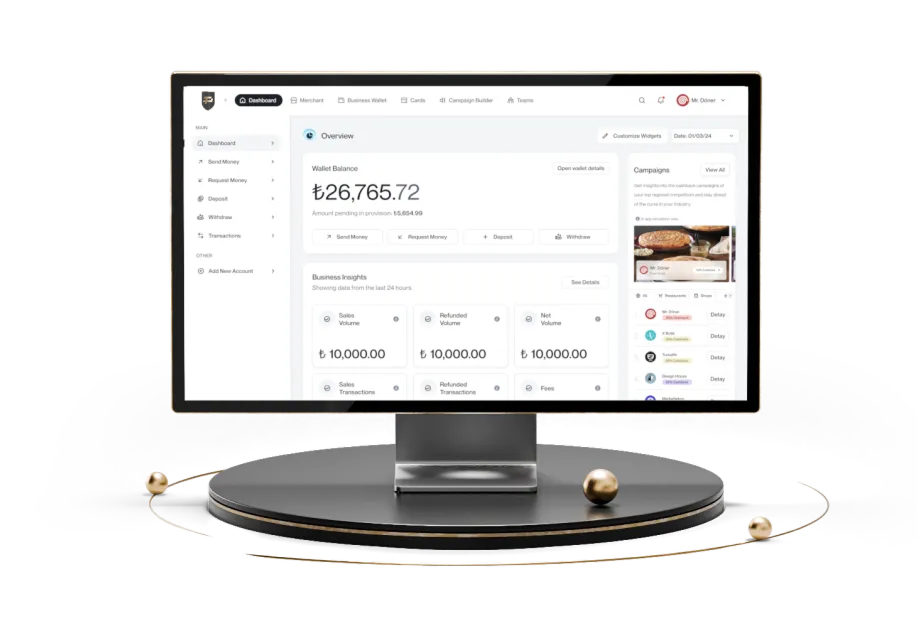
6 dakikalık okumaBankacılık işlemlerini uygulamalar arasında geçiş yapmana gerek olmadan, daha hızlı ve kontrol edilebilir bir şekilde yönetmek ister misin? İşte açık bankacılık, tam da bu ihtiyaca yanıt veren yeni nesil bir finansal ekosistem sunuyor. Farklı bankalardaki hesaplarını tek bir platformda bir araya getirmene, bakiyelerini görüntülemene ve hatta açık bankacılık ile para transferi yapmana imkân tanıyan bu sistem; kullanıcı deneyimini merkezine alan yapısıyla öne çıkıyor. Peki açık bankacılık nasıl çalışır ve kullanıcıların hayatını nasıl kolaylaştırır? Açık bankacılık modelinin işleyişini ve sunduğu temel avantajları Papel Blog’da senin için ele alıyoruz.
Banka ve finansal hizmet sağlayıcılarının müşterilerin izniyle finansal verilerini paylaşmasına ve bu veriler üzerinden yeni hizmet sunmasına fırsat veren modern bankacılık modeline açık bankacılık denir. Geleneksel bankacılıkta veriler bankanın iç sistemlerinde kapalıyken, açık bankacılık modelinde API (Uygulama Programlama Arayüzü) teknolojisi sayesinde bu veriler güvenli bir şekilde üçüncü taraf hizmet sağlayıcılarla paylaşılır. Bu sayede farklı bankalardaki hesap bakiyeleri, işlem geçmişi veya ödeme bilgileri gibi finansal bilgiler tek bir platformda toplanabilir ve yönetilebilir. Bu sistemin çalışma mantığı şu şekildedir:
Kullanıcı, öncelikle bankası üzerinden verilerinin paylaşımına onay verir; ardından API’ler aracılığıyla yalnızca izin verilen bilgilere güvenli erişim sağlanır ve bu veriler kullanılarak hesap bakiyelerinin görüntülenmesi, işlem geçmişinin takibi, para transferi başlatılması veya finansal analiz gibi hizmetler sunulur. Böylece farklı bankalardaki hesaplara ait bakiyeler, ödeme ve işlem bilgileri tek bir platformda toplanabilir hem bireysel hem de kurumsal kullanıcılar bankacılık hizmetlerini daha entegre, hızlı ve kişiselleştirilmiş bir şekilde yönetebilir.

Kullanıcıların finansal deneyimlerini kolaylaştıracak şekilde tasarlanmış açık bankacılık modelinin temel özellikleri şunlardır:
Farklı bankalardaki hesaplar açık bankacılık sayesinde tek bir dijital platform üzerinden yönetilebildiğinden kullanıcılar, farklı bankalara ait hesap bakiyelerini, işlem geçmişlerini ve diğer finansal bilgilerini tek bir ekran üzerinden görüntüleyerek takip edebilir. Bu sayede her banka için ayrı ayrı mobil veya internet bankacılığı uygulamalarına giriş yapma ihtiyacı ortadan kalkar. Özellikle birden fazla banka hesabı bulunan kullanıcılar için bu özellik, finansal durumu daha hızlı, düzenli ve etkili bir şekilde izleme imkânı sunar.
Açık bankacılık sayesinde kullanıcılar, kendi açık rızaları doğrultusunda entegrasyonu bulunan bankalardaki ödeme hesaplarını tek bir platform üzerinden görüntüleyebilir. Bu görüntüleme işlemi, API teknolojisi aracılığıyla güvenli bir şekilde gerçekleştirilir ve finansal veriler kullanıcı onayı olmadan üçüncü taraflarla paylaşılmaz. Kullanıcılar mobil ya da internet bankacılığı kanalları üzerinden entegrasyonu bulunan diğer bankalardaki ödeme hesaplarına ait bakiyeleri ve işlem hareketlerini kolayca takip edebilir. Bu özellik, özellikle bütçe yönetimi, aylık finansal raporların oluşturulması ve kredi değerlendirme süreçlerinde önemli bir kolaylık sağlar. Ayrıca kullanıcılar, açık bankacılık kapsamında verdikleri veri paylaşım izinlerini diledikleri zaman geri alma hakkına sahiptir.
Açık bankacılık ile para transferi, klasik yöntemlerden farklı olarak bankalar arasında doğrudan ödeme başlatma imkânı sunar. Kullanıcı, bir bankanın mobil veya internet bankacılığı kanalı üzerinden başka bir bankadaki hesabından para transferini kolayca başlatabilir. API temelli bu sistemde aracı ödeme kuruluşları ya da kart ağlarına ihtiyaç duyulmadan, banka hesabından banka hesabına doğrudan ödeme gerçekleştirilir. Bu yaklaşım, para transferlerinin daha hızlı, şeffaf ve düşük maliyetli şekilde yapılmasını sağlarken hem kullanıcı deneyimini iyileştirir hem de işletmeler için işlem maliyetlerini azaltan önemli bir avantaj sunar.
Bu blog yazısında sunulan bilgiler; yalnızca genel nitelikte olup hukuk, finans veya yatırım danışmanlığı teşkil etmemektedir. İçerik, bilgilendirme amacıyla hazırlanmış olup, özel durumlarınız için profesyonel danışmanlık almanız tavsiye edilir. Yazıda yer alan ifadeler, herhangi bir bağlayıcılık veya sorumluluk doğurmamakta, yalnızca yazarın değerlendirmelerini yansıtmaktadır. Alacağınız kararlarda tüm sorumluluk tarafınıza ait olup, Papel Elektronik Para ve Ödeme Hizmetleri A.Ş. bu bağlamda herhangi bir yükümlülük kabul etmemektedir.